
Ratan Tata’s Legacy: The Food Myths you’ve believed and how he busted them
- Oct 10, 2024
- 5 min read
Updated: Oct 15, 2024
Ratan Tata’s initiatives through Tata Consumer Products, Tata Chemicals, and Tata Trusts have done more than just introduce new products—they’ve reshaped how we think about food and nutrition. Ratan Naval Tata, a visionary business leader, was known for his transformative impact on industries ranging from steel to automobiles. However, his influence extends beyond these traditional sectors and into the world of food and nutrition through various Tata initiatives. These initiatives have taken on some of India's most deeply ingrained food-related beliefs, reshaping the way we think about our diets and nutrition.

Let’s explore how Ratan Tata’s ideology has actively challenged popular food myths and promoted a healthier and science-backed approach to eating.
Myth 1: "Salt is Bad for Health in Any Form"
The belief that all salt is harmful has been prevalent for a long time, often leading people to avoid it altogether or resort to dubious alternatives like rock salt (sendha namak). While excessive salt consumption can be harmful, iodized salt is crucial for preventing iodine deficiency in a country like India.


Ratan Tata's Initiative: Tata Salt, launched in 1983, was India's first branded iodized salt. It played a vital role in spreading awareness about the importance of iodine in preventing disorders like goiter, especially in regions with iodine-deficient soils. The campaign promoted iodized salt as a necessity rather than a luxury, helping dispel the myth that all salt should be avoided.


Tata Salt's campaigns highlighted the scientific need for iodized salt, changing the perception of millions of Indian households. With its focus on purity and micronutrient fortification, Tata Salt became a household name synonymous with "Desh ka Namak" (the salt of the nation). This shift encouraged a balanced intake of salt, aligning with the World Health Organization's recommendations for iodine consumption.
Myth 2: "Packaged Foods are Always Unhealthy"
There is a widespread belief that all packaged and processed foods are unhealthy and filled with preservatives. Many people avoid packaged options due to fears about their nutritional quality, opting for fresh produce instead. However, modern food science allows for nutrient retention even in packaged foods. You might already seen our article on packaged tetrapacks filled with toxic substances.

Ratan Tata's Initiative: Through Tata Sampann, Tata Consumer Products aimed to offer packaged pulses, spices, and other ingredients that are high in nutritional content and free from artificial additives. For example, Tata Sampann’s range of unpolished pulses retains more fiber and protein compared to polished varieties available in local markets.


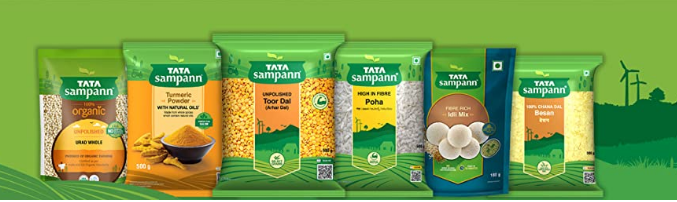
More About the Impact: Tata Sampann has played a key role in changing the narrative around packaged food by emphasizing transparency in sourcing and minimal processing. Their product lines highlight the benefits of unpolished pulses and organic spices, showcasing that packaged food can be just as healthy—if not more—than loose, unbranded market alternatives. This effort has encouraged consumers to make informed choices rather than dismissing all packaged foods as unhealthy.
Myth 3: "Water Purity Can Be Judged by Taste Alone"
A common belief in rural and urban India alike is that clear water is clean water, or that water which tastes “fine” is safe for consumption. This myth has led to many cases of waterborne diseases, as contaminants like bacteria, viruses, and heavy metals are not always detectable by sight or taste.

Ratan Tata's Initiative: Tata Chemicals introduced Tata Swach, a low-cost water purifier aimed at providing clean and safe drinking water to rural households. Unlike traditional methods like boiling, which may not eliminate all contaminants, Tata Swach’s technology ensured that water was treated for microbial and chemical impurities. This challenged the myth that one could simply “know” clean water by its taste.


More About the Impact: Tata Swach has been instrumental in raising awareness about the need for proper water purification, emphasizing that safety can’t be judged by taste alone. By offering a scientifically-backed, affordable solution, Tata has educated millions about the importance of using advanced purification methods. This has led to a significant reduction in waterborne diseases in areas where Tata Swach is in use.
Myth 4: "India is Self-Sufficient in Nutrition, No Need for Fortification"
Another persistent myth is that India, being an agricultural nation, naturally produces everything needed for a balanced diet. This belief often leads to the assumption that there is no need for nutrient fortification in everyday food items. The reality, however, is that many regions in India suffer from micronutrient deficiencies, including iron, iodine, and vitamin D.

Ratan Tata's Initiative: Tata Trusts, under Ratan Tata’s leadership, has been deeply involved in addressing micronutrient deficiencies through various fortification initiatives. For instance, the Double Fortified Salt (DFS) program was launched to combat iron and iodine deficiency in the diet. It involved adding iron to regular iodized salt, providing a simple and affordable way to deliver essential nutrients.


Source- Ratan Tata (centre, with flowers), chairman of Tata Trusts, is congratulated by the chief minister of Uttar Pradesh at the launch of the double-fortified salt distribution program (photo courtesy of the Micronutrient Initiative)
More About the Impact: This initiative has been a game-changer in regions where anemia and goiter are prevalent. The Double Fortified Salt has helped reduce iron deficiency in several states, particularly benefiting children and pregnant women. By promoting the fortification of staples like salt, Tata Trusts has challenged the myth of natural self-sufficiency in nutrition, advocating for an enhanced, fortified approach to dietary health.
Myth 5: "Tea Dehydrates You"
Many believed that drinking tea leads to dehydration due to its caffeine content, and therefore, it should be consumed sparingly. This belief has caused many tea drinkers to limit their intake, fearing dehydration and health issues related to it.


Ratan Tata's Initiative: Tata Tea whose acquisition of Tetley made Tata Group a global powerhouse, through its range of natural and herbal teas, has played a key role in dispelling this myth. Tata Tea’s campaigns have focused on promoting the health benefits of tea, particularly varieties like Tata Tea Chakra Gold, Tata Tea Gold Care, and Tata Tea Tulsi Green, which are rich in antioxidants and natural ingredients. Tata Tea's messaging educates consumers about the hydrating properties of tea, emphasizing that the water content in tea compensates for its mild diuretic effect, making it a healthy choice.


More About the Impact: By focusing on the nutritional content of various sweeteners and promoting products like Tata Tea Veda, which integrates herbal ingredients into traditional tea, the company has encouraged consumers to be mindful of their intake rather than blindly following trends. This approach has helped debunk the myth that "natural" automatically means "healthy."
Conclusion: A Legacy of Vision and Impact
Ratan Tata’s unwavering vision transcended industries and touched lives in profound ways. As we reflect on his remarkable life and contributions, Ratan Tata's legacy is not just one of business acumen but of compassion and commitment to improving the quality of life. His initiatives in food, health, and nutrition continue to shape a brighter, healthier future for generations to come. His loss is deeply felt, but his impact lives on through the transformative changes he built. And through that his legacy continues.

Sources:

Comments