
A Dussehra Delight: Debunking Popular Food Myths
- Oct 12, 2024
- 3 min read
Ah, Dussehra! A festival of triumph, celebrated with joy, devotion, and, of course, food. But as much as we relish the delicious festive treats, some food myths passed down from generations can often overshadow the health benefits of these traditional delicacies.
Let’s delve into some popular Dussehra foods and explore the truth behind these myths, making this celebration a guilt-free and enjoyable experience.
Myth 1: Kheer is Too Rich and Unhealthy for Regular Consumption


The Story: Every Dussehra, you might have heard this from a concerned elder: “Kheer is too rich and heavy. Have just a little bit.” The creaminess and sweetness make many believe that kheer is unhealthy and should only be eaten sparingly.
The Truth: When made with reduced-fat milk and sweetened with natural sweeteners like jaggery or palm sugar, kheer can actually be quite nutritious! It’s rich in calcium, proteins, and healthy fats from milk and the dry fruits used. By switching out refined sugars for healthier alternatives, this dessert becomes both delicious and health-conscious.
Nutritional Tip: Kheer offers a wholesome balance of proteins and essential vitamins. A moderate serving fits perfectly into a balanced diet. Enjoy without the guilt!
Myth 2: Jalebi is Completely Unhealthy Because It’s Fried and Sugary


The Story: There’s nothing quite like the sight of crisp jalebis sizzling in hot oil and then soaking in sugary syrup. But those very qualities often lead to the belief that jalebis should be strictly off-limits for health-conscious people.
The Truth: Yes, jalebi is fried and sugary, but in moderation, it’s a great source of quick energy. Pairing it with curd (as is often done in India) or enjoying it as part of a larger meal can actually minimize its glycemic impact. Plus, fermented batter used in traditional jalebi is easier on the stomach and aids digestion.
Pro Tip: You can even experiment with air-frying jalebis or using less sugar in the syrup for a lighter take on this festive treat!
Myth 3: Gajar ka Halwa is Loaded with Ghee and Sugar, Making It Unhealthy


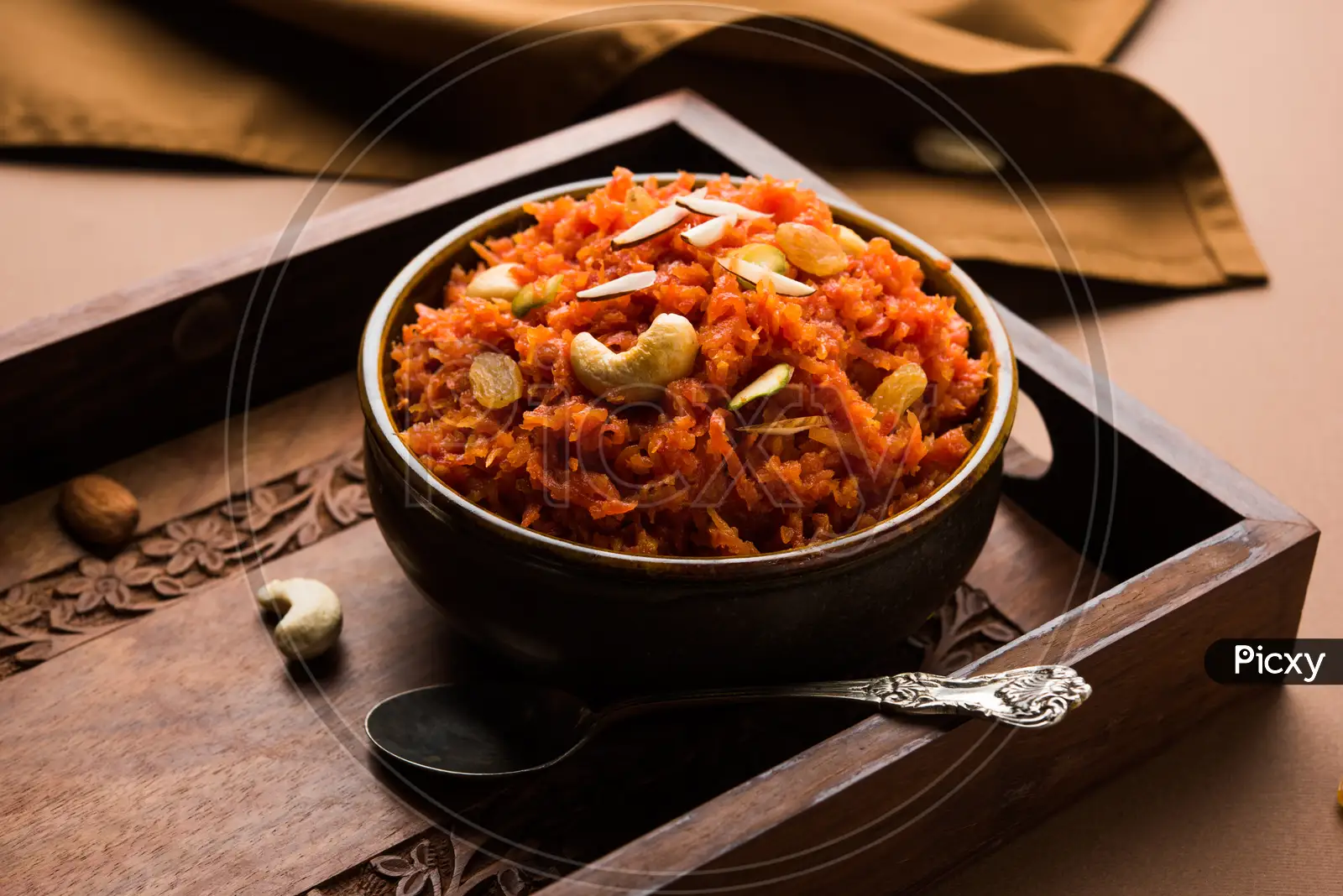
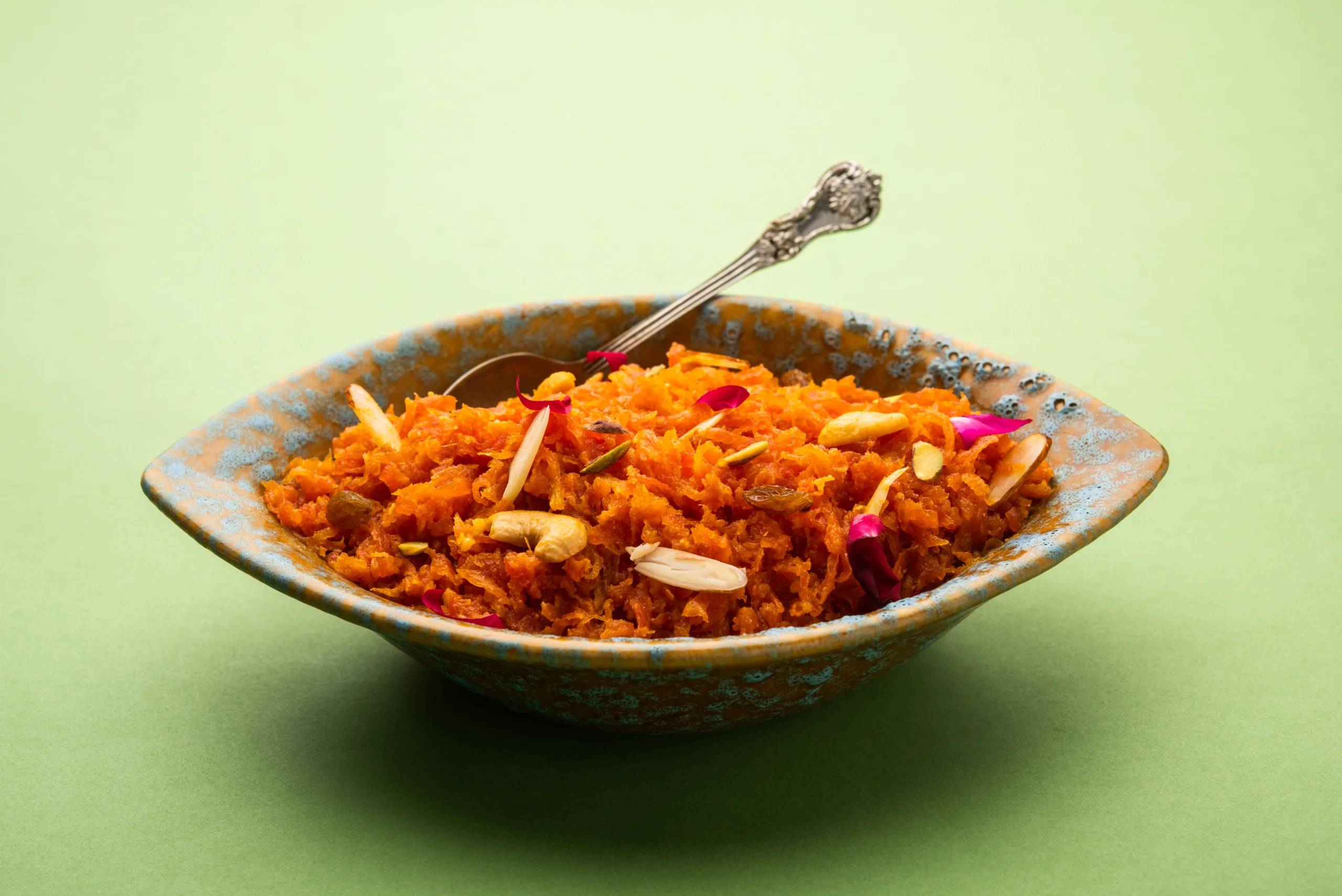
The Story: You’ve probably heard it before: “Gajar ka halwa is delicious, but all that ghee and sugar make it a guilty pleasure!” Many believe that this winter dessert should only be indulged in sparingly.
The Truth: Made from carrots, which are rich in beta-carotene, fiber, and antioxidants, Gajar ka Halwa has plenty of health benefits. Ghee, when consumed in moderation, is full of healthy fats that support digestion and the absorption of fat-soluble vitamins. By using less sugar or substituting it with jaggery, you can enjoy this dessert without worrying about your health.
Healthy Alternative: Replace refined sugar with natural sweeteners like jaggery or dates, and reduce the amount of ghee for a lighter, yet equally flavorful, version of this beloved dessert!
Myth 4: Tamarind in Puliyodarai Causes Acidity





The Story: Tamarind rice (Puliyodarai) is tangy and flavorful, but many believe that the tamarind used in the dish can cause acidity or upset stomachs.
The Truth: Tamarind is known for its digestive benefits and has been used in traditional Ayurvedic medicine for centuries. It contains tartaric acid, which is a natural antioxidant and helps with digestion. It actually reduces acidity when consumed in balanced quantities and is excellent for gut health!
Did You Know?: Tamarind’s high antioxidant content has anti-inflammatory properties, helping to soothe digestion rather than harm it.
Bringing it All Together
While Dussehra is a festival of victory and goodness, it’s also a time to relish traditional foods that hold a deep cultural significance. The key to debunking these food myths lies in moderation and smart ingredient swaps. By using natural sweeteners, watching portion sizes, and making a few mindful adjustments, you can enjoy these delicious dishes without compromising on health.

So this Dussehra, indulge in your favorite foods and remember: most myths are just misunderstandings! Eat smart, stay active, and celebrate the spirit of the festival.
Sources for More Information:
Healthy Cooking with Ghee


Comments